
Many people feel they are doing the right thing financially.
They avoid unnecessary spending.
They keep money safely in the bank.
They slowly build savings every month.
Yet after a few years, they notice something strange — life is not getting easier.
School fees feel higher.
Groceries cost more.
Rent keeps increasing.
Even though savings increased, comfort did not.
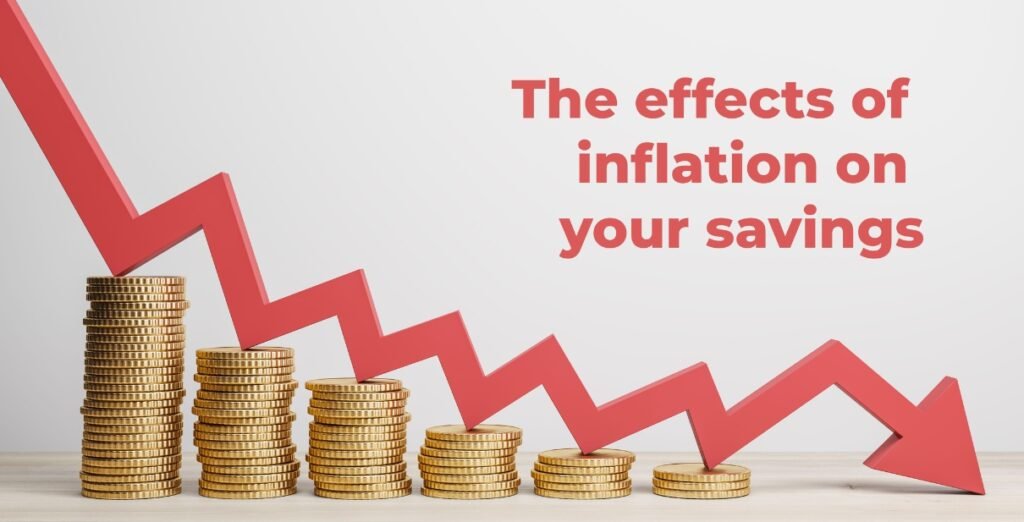
This silent problem is called inflation.
Inflation is not a visible bill you receive. It is an invisible cost that slowly reduces the power of your money. And the most dangerous part is — you don’t notice it happening daily.
Understanding inflation changes the way you save and invest forever.
What Inflation Really Means in Daily Life
Inflation simply means rising prices over time.
If today ₹100 buys vegetables for two days, after some years it may buy only one day’s vegetables. Your ₹100 did not shrink, but its purchasing power did.
This difference between money value and money power is the key concept.
Most people think saving money automatically makes them financially stronger. But if savings grow slower than inflation, they are actually becoming poorer in real terms.
Money must not only be protected — it must grow faster than prices.
Why Bank Savings Alone Cannot Protect You
Savings accounts feel safe. You can see the balance anytime. There is no risk of loss.
But safety and growth are different things.
Banks usually give small interest on savings. Meanwhile prices of goods, services, education, and healthcare rise steadily every year.
This creates a gap:
Money growth rate < Expense growth rate
Over long periods, this gap becomes huge.
After ten years, the same lifestyle needs significantly more money. People then feel their savings were not enough, even though they were disciplined.
The issue was not lack of saving.
The issue was lack of growth.
The Biggest Financial Illusion
Many people proudly say: “I have ₹5 lakh saved.”
But the real question is: what will ₹5 lakh buy after 15 years?
Inflation slowly reduces future value of current savings. This means long-term goals like children’s education or retirement require much larger amounts than expected.
Without considering inflation, financial planning becomes inaccurate.
This is why some retirees feel money finished earlier than planned — not because they spent excessively, but because costs increased faster than expected.
Good vs Bad Types of Savings
Not all saving methods behave the same.
Idle savings preserve amount but lose value.
Growing savings preserve value and build wealth.
Money kept without growth slowly weakens. Money placed in growth-oriented avenues strengthens purchasinge over time.
The goal is not maximum risk. The goal is beating inflation steadily.
The Practical Way to Beat Inflation
Instead of keeping all money in one place, divide it by purpose.
Immediate money should stay accessible.
Near-term money should stay stable.
Long-term money should grow.
This layered approach balances safety and growth.
Emergency funds need quick access, so stability matters more than return.
Medium-term savings need moderate growth and flexibility.
Long-term savings must grow faster than inflation because time allows recovery from fluctuations.
When money is organised this way, financial stress reduces naturally.
Why Time Is Your Strongest Weapon
Inflation works slowly but continuously.
Fortunately, growth investments also work slowly but powerfully.
The longer money stays invested in growth assets, the higher chance it outpaces inflation. Short periods feel uncertain, but long durations reward patience.
Many beginners quit early because they focus on short-term changes instead of long-term trend.
Inflation never pauses — so growth planning should not pause either.
Lifestyle Inflation vs Price Inflation
There are actually two inflations affecting you.
Price inflation — market prices rising
Lifestyle inflation — personal spending rising
When income increases, spending often increases automatically. Bigger phone, better restaurants, frequent upgrades.
This second inflation damages finances faster than the first.
Controlling lifestyle expansion helps savings grow naturally without feeling deprived.
The best financial progress happens when income rises but spending rises slowly.
Common Mistakes People Make
Keeping all money in low-return savings
Avoiding investments due to fear
Starting investments late
Stopping investments during market fall
Ignoring rising long-term expenses
These mistakes allow inflation to quietly weaken financial plans.
How Small Changes Make Big Difference
You don’t need aggressive investing to beat inflation.
You need consistency and time.
Regular investing combined with controlled spending gradually increases real wealth. Over years, growth starts outpacing rising costs.
The key idea is simple:
Money resting loses strength
Money working gains strength
Understanding this transforms saving into planning.
Long-Term Impact of Inflation Awareness
People who understand inflation:
Plan goals realistically
Invest earlier
Avoid cash-heavy savings
Stay patient during market cycles
Retire more comfortably
They focus on purchasing power, not only balance amount.
Financial confidence increases because future becomes predictable.
Final Thoughts
Inflation is silent but powerful. It does not destroy money suddenly — it weakens it slowly.
Saving money is important, but growing money is essential.
The goal is not chasing risky returns. The goal is maintaining and increasing the real value of your earnings over time.
Once you understand inflation, your strategy changes automatically. You stop thinking only about safety and start thinking about sustainability.
Protect your present with savings.
Protect your future with growth.
Because true financial security is not how much money you have today — it is how much your money will still be worth tomorrow.